
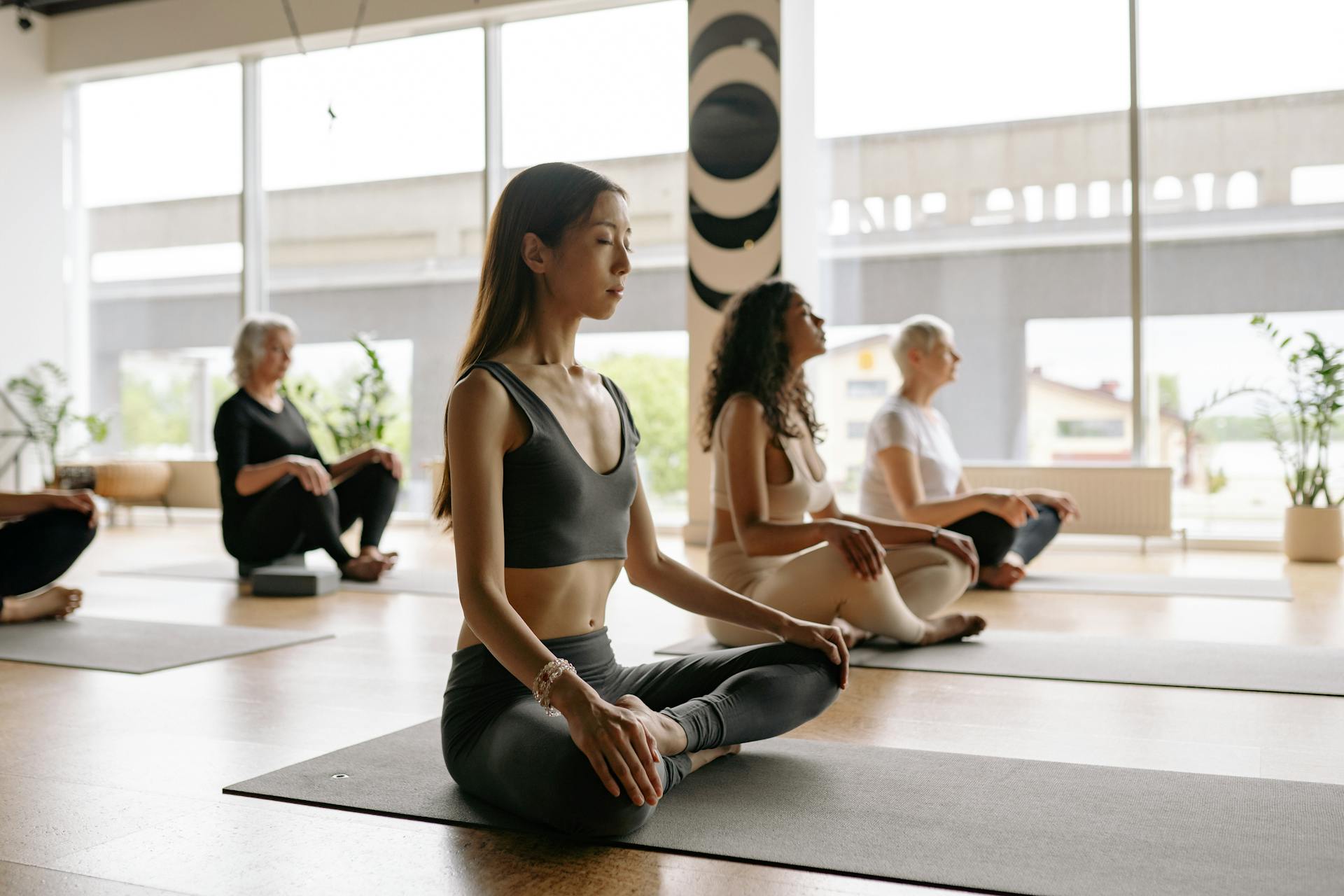
Reformer Pilates Explained: Why the Machine Matters
January 14, 2026
Reformer Pilates often carries an air of mystery. The machine looks complex, even intimidating, especially to those new to Pilates. Yet the reformer was never designed to complicate movement—it was designed to clarify it. At its best, the reformer acts as both teacher and mirror, revealing how the body truly moves.
The Reformer: A Tool for Intelligent Resistance
The reformer is built around a system of springs rather than weights. This distinction matters. Springs provide progressive resistance, meaning the challenge increases as the movement lengthens. Unlike gravity-based resistance, which peaks at a single point, spring resistance remains constant throughout the range of motion.
This allows muscles to work evenly, reducing strain and encouraging balance.
Components of the Reformer (And Why They Matter)
Carriage: Encourages controlled movement and stability
Springs: Adjustable resistance for strength, support, or assistance
Footbar: Creates leverage and alignment feedback
Straps & Pulleys: Train coordination and joint control
Each component exists to guide—not force—the body.
Why Beginners Often Thrive on the Reformer
Contrary to popular belief, reformer Pilates can be more accessible than mat work. The machine:
Supports body weight
Assists correct alignment
Reduces pressure on joints
For someone with limited mobility, injury history, or low body awareness, the reformer provides a safer and more intuitive entry point into movement.
Precision, Feedback, and Awareness
One of the reformer’s greatest strengths is feedback. If the pelvis shifts, the carriage responds. If the shoulders tense, the springs reveal it. This immediate feedback accelerates learning and builds proprioception—the body’s ability to sense itself in space.
Reformer Pilates for Strength Without Bulk
Because exercises emphasize control and eccentric strength (muscle lengthening under load), reformer Pilates builds lean, functional strength rather than bulk. This is why dancers and athletes often integrate it into their training.
Rehabilitation and Performance
In clinical and athletic settings, the reformer is invaluable:
Post-surgical recovery
Chronic back pain management
Athletic cross-training
Muscle imbalance correction
The machine allows challenge without compression—an essential factor for long-term joint health.
Why the Reformer Keeps the Practice Fresh
With endless variations and progressions, the reformer prevents stagnation. As the body evolves, so does the practice.
The reformer doesn’t replace the body’s intelligence—it teaches you how to access it.
Reformer Pilates Explained: Why the Machine Matters
January 14, 2026
Reformer Pilates often carries an air of mystery. The machine looks complex, even intimidating, especially to those new to Pilates. Yet the reformer was never designed to complicate movement—it was designed to clarify it. At its best, the reformer acts as both teacher and mirror, revealing how the body truly moves.
The Reformer: A Tool for Intelligent Resistance
The reformer is built around a system of springs rather than weights. This distinction matters. Springs provide progressive resistance, meaning the challenge increases as the movement lengthens. Unlike gravity-based resistance, which peaks at a single point, spring resistance remains constant throughout the range of motion.
This allows muscles to work evenly, reducing strain and encouraging balance.
Components of the Reformer (And Why They Matter)
Carriage: Encourages controlled movement and stability
Springs: Adjustable resistance for strength, support, or assistance
Footbar: Creates leverage and alignment feedback
Straps & Pulleys: Train coordination and joint control
Each component exists to guide—not force—the body.
Why Beginners Often Thrive on the Reformer
Contrary to popular belief, reformer Pilates can be more accessible than mat work. The machine:
Supports body weight
Assists correct alignment
Reduces pressure on joints
For someone with limited mobility, injury history, or low body awareness, the reformer provides a safer and more intuitive entry point into movement.
Precision, Feedback, and Awareness
One of the reformer’s greatest strengths is feedback. If the pelvis shifts, the carriage responds. If the shoulders tense, the springs reveal it. This immediate feedback accelerates learning and builds proprioception—the body’s ability to sense itself in space.
Reformer Pilates for Strength Without Bulk
Because exercises emphasize control and eccentric strength (muscle lengthening under load), reformer Pilates builds lean, functional strength rather than bulk. This is why dancers and athletes often integrate it into their training.
Rehabilitation and Performance
In clinical and athletic settings, the reformer is invaluable:
Post-surgical recovery
Chronic back pain management
Athletic cross-training
Muscle imbalance correction
The machine allows challenge without compression—an essential factor for long-term joint health.
Why the Reformer Keeps the Practice Fresh
With endless variations and progressions, the reformer prevents stagnation. As the body evolves, so does the practice.
The reformer doesn’t replace the body’s intelligence—it teaches you how to access it.
Reformer Pilates Explained: Why the Machine Matters
January 14, 2026
Reformer Pilates often carries an air of mystery. The machine looks complex, even intimidating, especially to those new to Pilates. Yet the reformer was never designed to complicate movement—it was designed to clarify it. At its best, the reformer acts as both teacher and mirror, revealing how the body truly moves.
The Reformer: A Tool for Intelligent Resistance
The reformer is built around a system of springs rather than weights. This distinction matters. Springs provide progressive resistance, meaning the challenge increases as the movement lengthens. Unlike gravity-based resistance, which peaks at a single point, spring resistance remains constant throughout the range of motion.
This allows muscles to work evenly, reducing strain and encouraging balance.
Components of the Reformer (And Why They Matter)
Carriage: Encourages controlled movement and stability
Springs: Adjustable resistance for strength, support, or assistance
Footbar: Creates leverage and alignment feedback
Straps & Pulleys: Train coordination and joint control
Each component exists to guide—not force—the body.
Why Beginners Often Thrive on the Reformer
Contrary to popular belief, reformer Pilates can be more accessible than mat work. The machine:
Supports body weight
Assists correct alignment
Reduces pressure on joints
For someone with limited mobility, injury history, or low body awareness, the reformer provides a safer and more intuitive entry point into movement.
Precision, Feedback, and Awareness
One of the reformer’s greatest strengths is feedback. If the pelvis shifts, the carriage responds. If the shoulders tense, the springs reveal it. This immediate feedback accelerates learning and builds proprioception—the body’s ability to sense itself in space.
Reformer Pilates for Strength Without Bulk
Because exercises emphasize control and eccentric strength (muscle lengthening under load), reformer Pilates builds lean, functional strength rather than bulk. This is why dancers and athletes often integrate it into their training.
Rehabilitation and Performance
In clinical and athletic settings, the reformer is invaluable:
Post-surgical recovery
Chronic back pain management
Athletic cross-training
Muscle imbalance correction
The machine allows challenge without compression—an essential factor for long-term joint health.
Why the Reformer Keeps the Practice Fresh
With endless variations and progressions, the reformer prevents stagnation. As the body evolves, so does the practice.
The reformer doesn’t replace the body’s intelligence—it teaches you how to access it.

3 Classes for $90!
Experience the difference with our new client intro offer. No pressure, just movement, energy, and strength waiting to be discovered.
3 Classes for $90!
Experience the difference with our new client intro offer. No pressure, just movement, energy, and strength waiting to be discovered.
3 Classes for $90!
Experience the difference with our new client intro offer. No pressure, just movement, energy, and strength waiting to be discovered.